

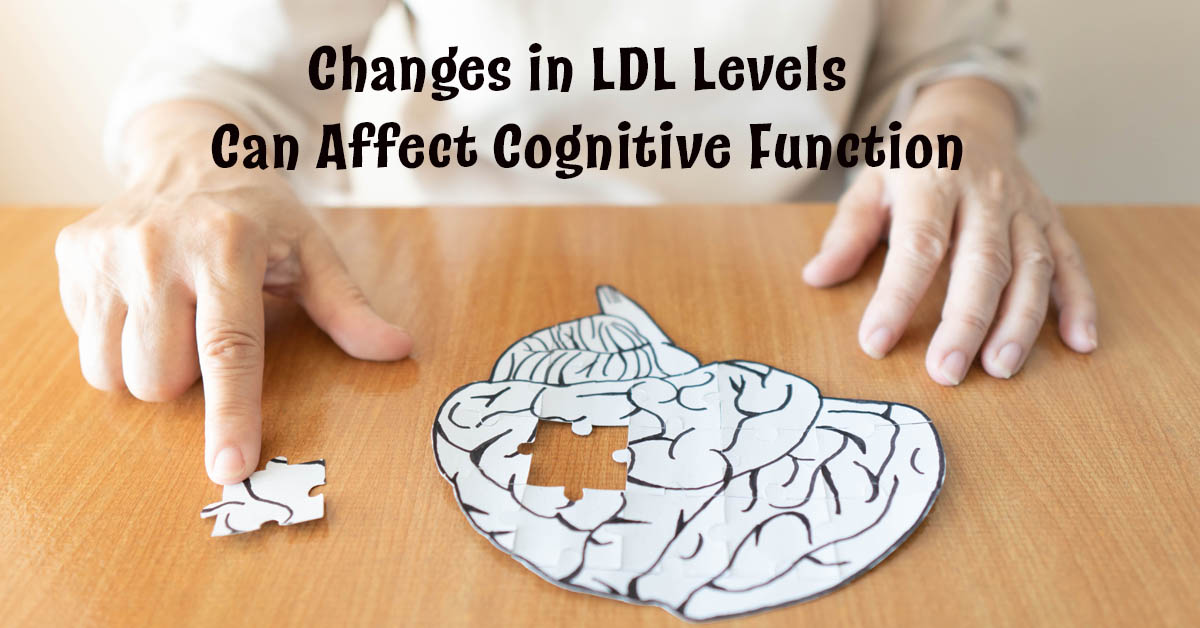
A study led by Dr. Roelof Smit, a researcher at Leiden University Medical Center in the Netherlands, found that changes in LDL cholesterol levels may be especially damaging to cognitive functions—your memory, attention, language, and ability to reason.1 His study, published in the peer-review journal Circulation, followed more than 4,000 people between the ages of […]
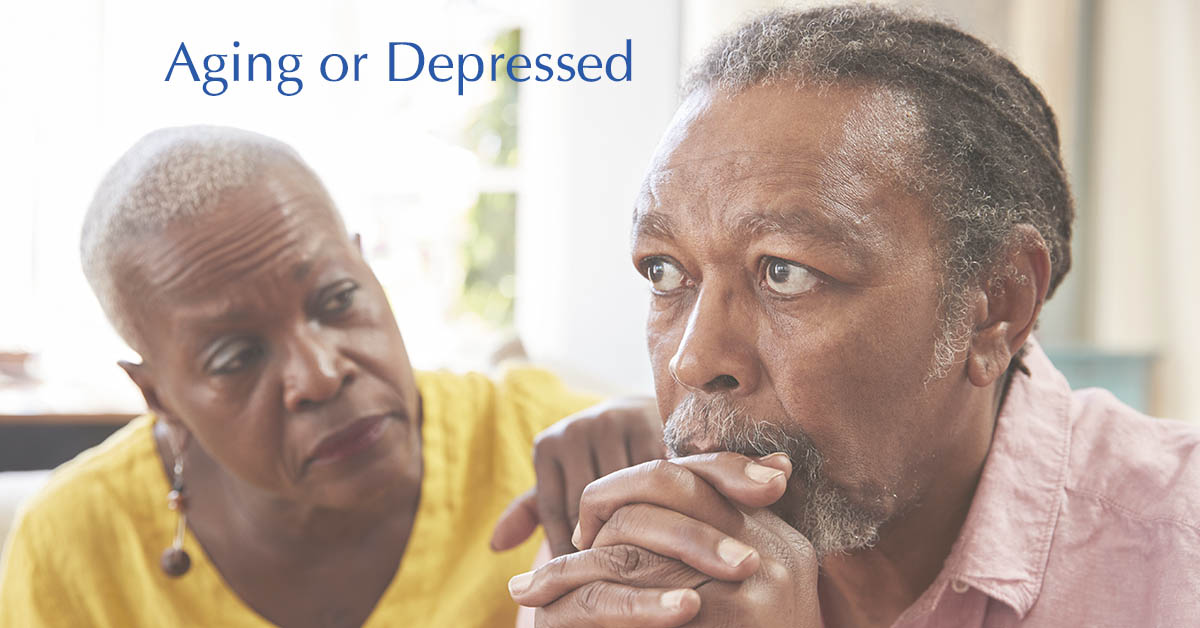
Although depression is a mental health condition and is a widespread problem in older adults, it is not a general part of getting older. Due to some overlap between signs of depression and signs of getting older, depression is often not recognized or treated. Elderly experiencing depression may just appear to be lost in thought […]

Retirees who receive sufficient vitamin D can lower their risk for falls and fractures, says a recent consensus statement from the Journal of the American Geriatrics Society. The statement aims to encourage primary healthcare providers to ensure that we receive enough vitamin D as we age. In addition to dietary sources, sunlight and supplements can […]
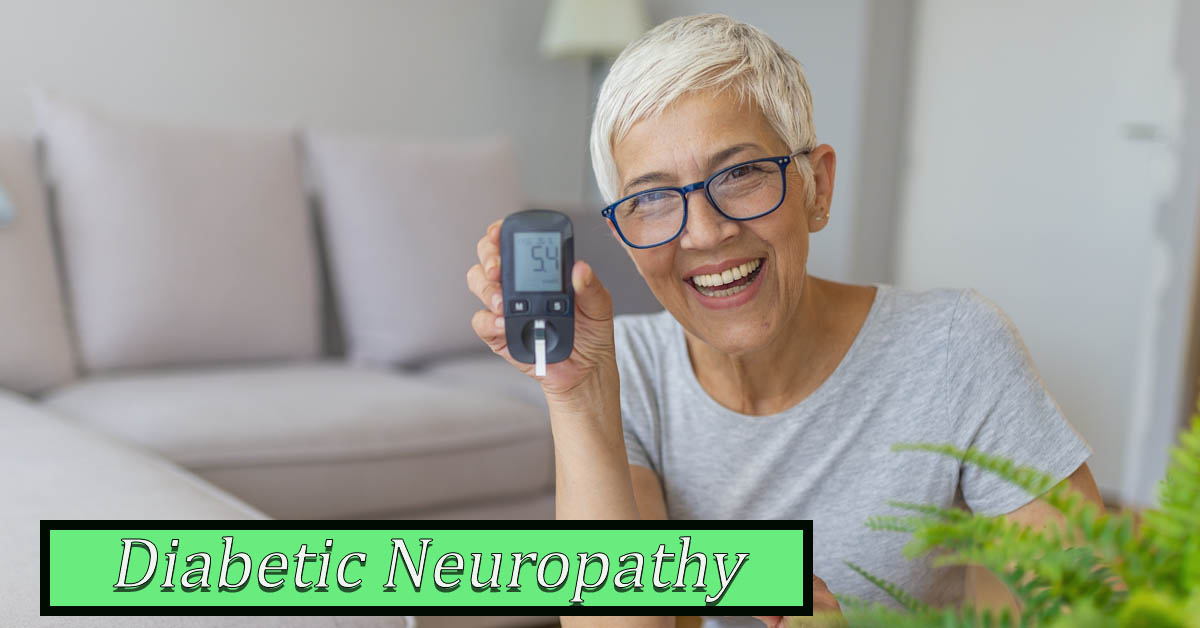
Although different types of diabetic neuropathy can affect people who have diabetes, research suggests that up to one-half of people with diabetes have peripheral neuropathy.1 Neuropathies are a series of conditions that cause damage to the nervous system. More than 30 percent of people with diabetes have autonomic neuropathy.2 Autonomic neuropathy affects involuntary functions of […]
Every day, millions of people across the United States give care to people with mental and physical challenges. They range from family members to trained aides to nurses. No matter which category they are in there is always the risk for mental and physical exhaustion. Fortunately, there are steps and strategies one can use to […]
It’s no secret that cardiovascular problems during the middle and latter years can cause cognitive decline as people age. However, a new study shows that high blood pressure, high cholesterol levels, and elevated blood sugar in early adulthood are also linked to cognitive deficits later in life.1 The study started with over 3000 people between […]
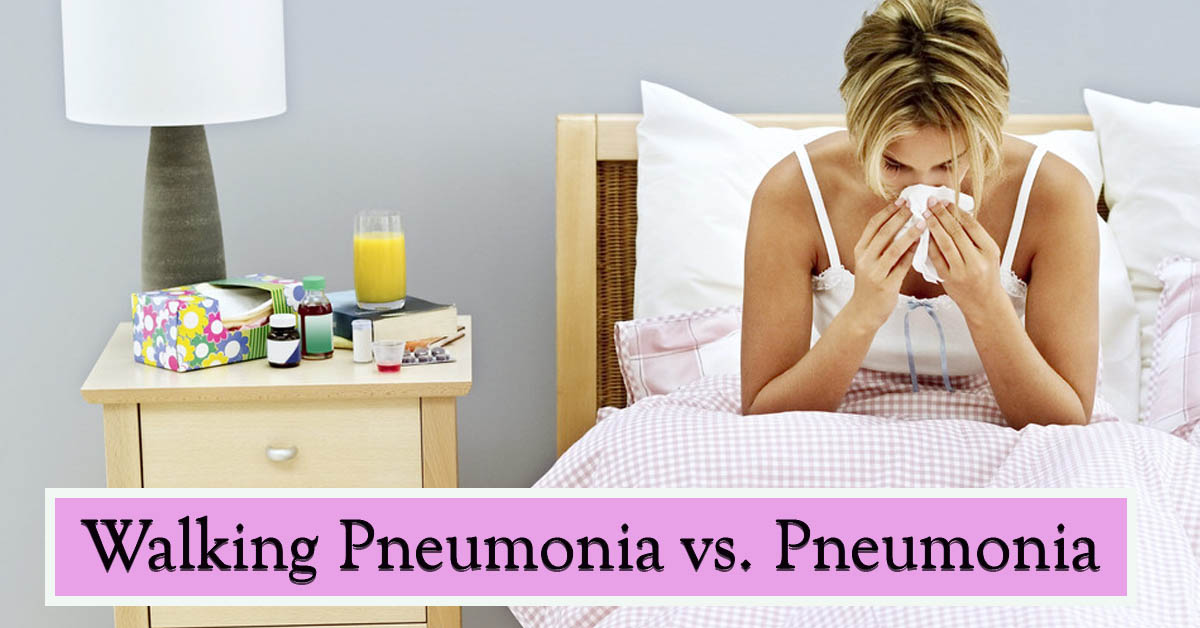
It is the time of year that people suffer from bad colds or the flu. Be aware that it’s easy for the infection that’s already in the lungs to progress to the next level…. pneumonia… because the body is already fighting the germs, bacteria, viruses, etc.1 But, is it walking pneumonia or pneumonia? Walking pneumonia […]

Adults aged 65 and older still need to be active. This does not necessarily mean running miles or lifting weights. Good physical activity is essential to healthy aging. The phrase “use it or loose it” is a statement that becomes truer as we get older. There are three major actions you can take to stay […]
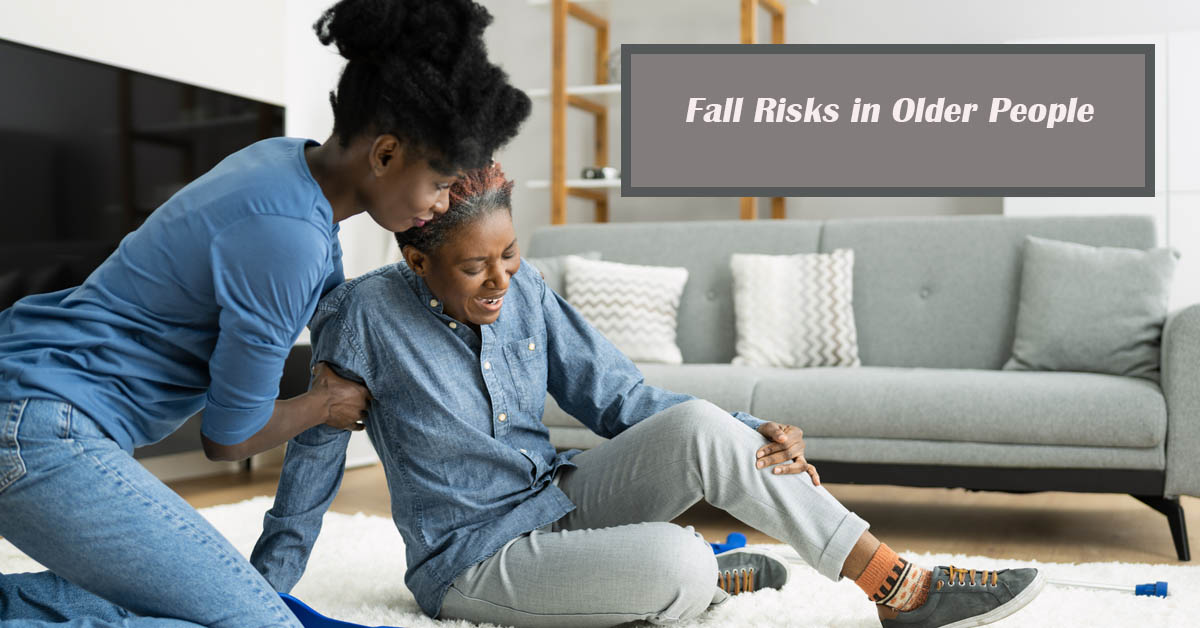
Falls are a marker of frailty, immobility, and acute and chronic health impairment in older persons. Falls in turn diminish function by causing injury, activity limitations, fear of falling, and loss of mobility. Most injuries in the elderly are the result of falls; fractures of the hip, forearm, humerus, and pelvis usually result from the […]
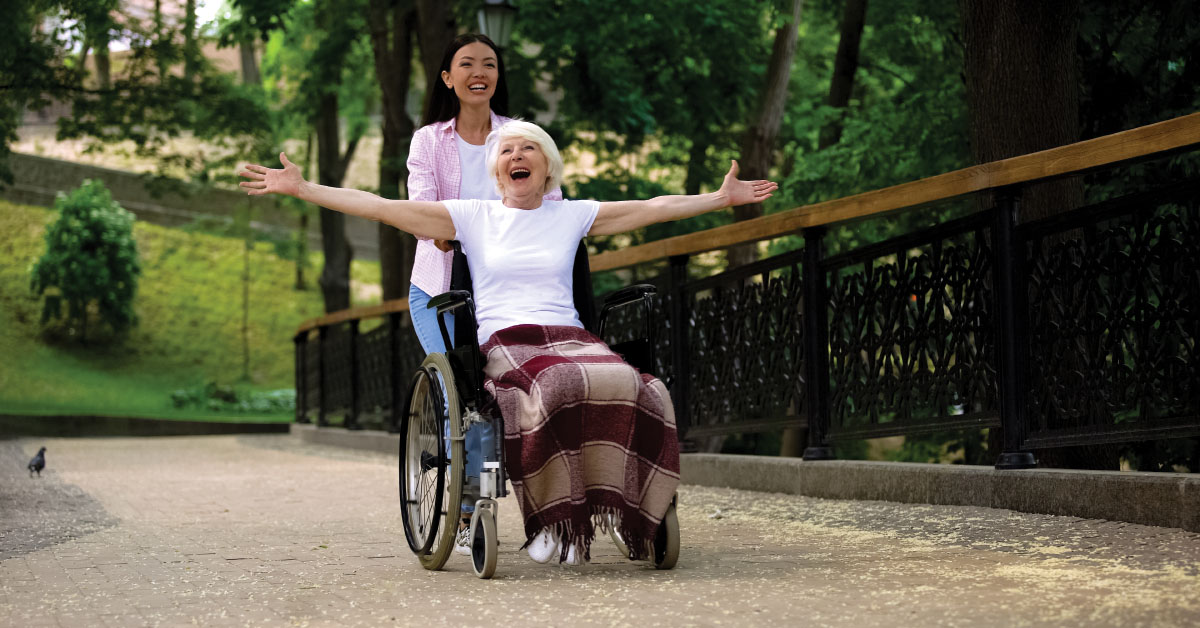
There is a misconception that limited mobility means being active is over. Even with physical conditions that make things more challenging, there are still exciting activities for people with limited mobility. These are just a few examples of how a little research, creativity or know-how can add activity to lives, even where there is limited […]
